/Industries/
Food & Beverage Manufacturing with CompuTec Solutions
CompuTec solutions support food and beverage manufacturers with recipe management, batch traceability, allergen control, and quality documentation all within SAP Business One.
- End-to-End Traceability
- Allergen & Recipe Control
- Full SAP Business One Integration
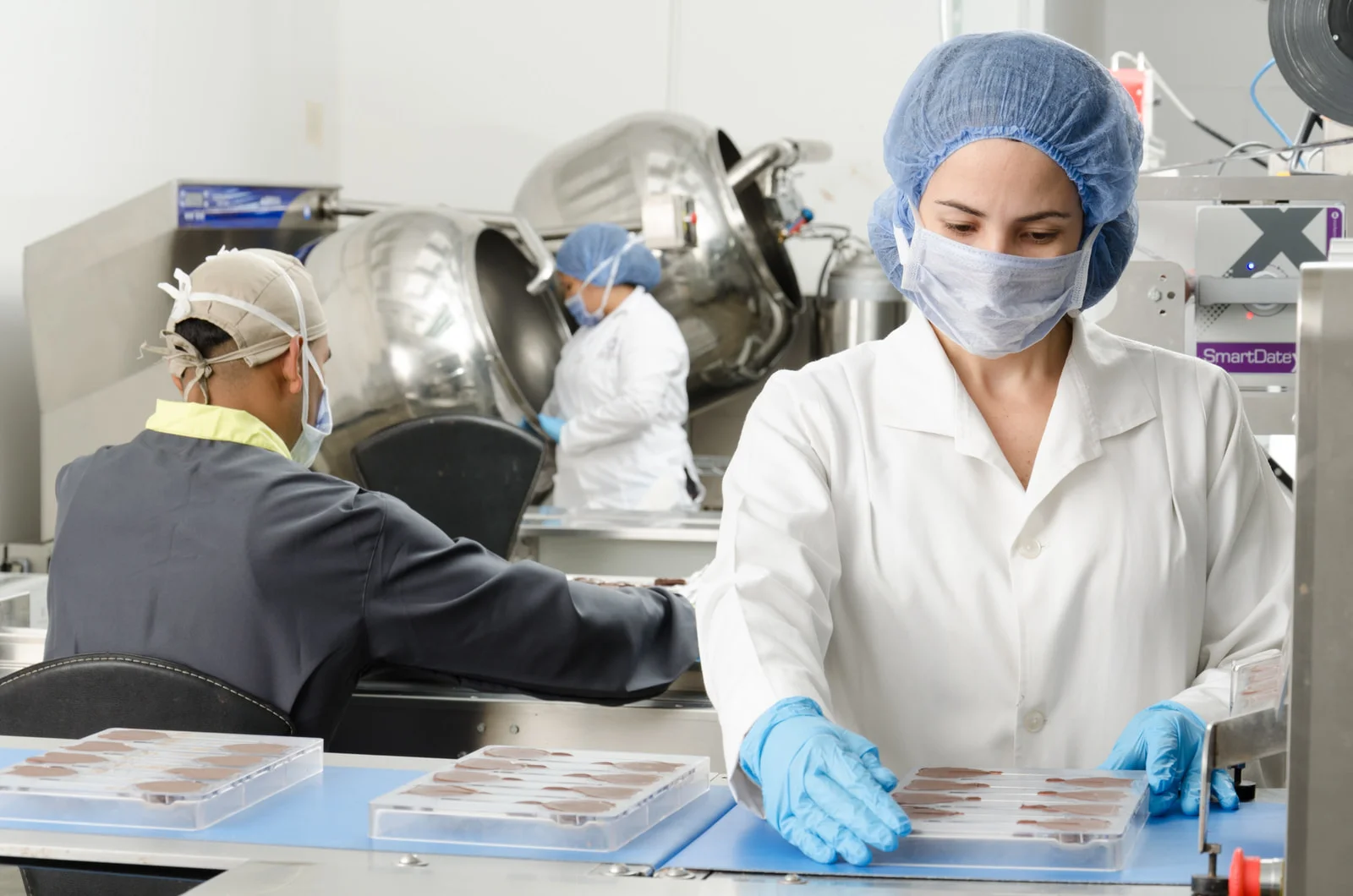
Built for the realities of food and beverage production
Food and beverage manufacturers operate under some of the most demanding traceability, safety, and quality requirements of any industry. CompuTec solutions address these requirements within SAP Business One, giving production, quality, and operations teams the tools they need in a single, cohesive environment.
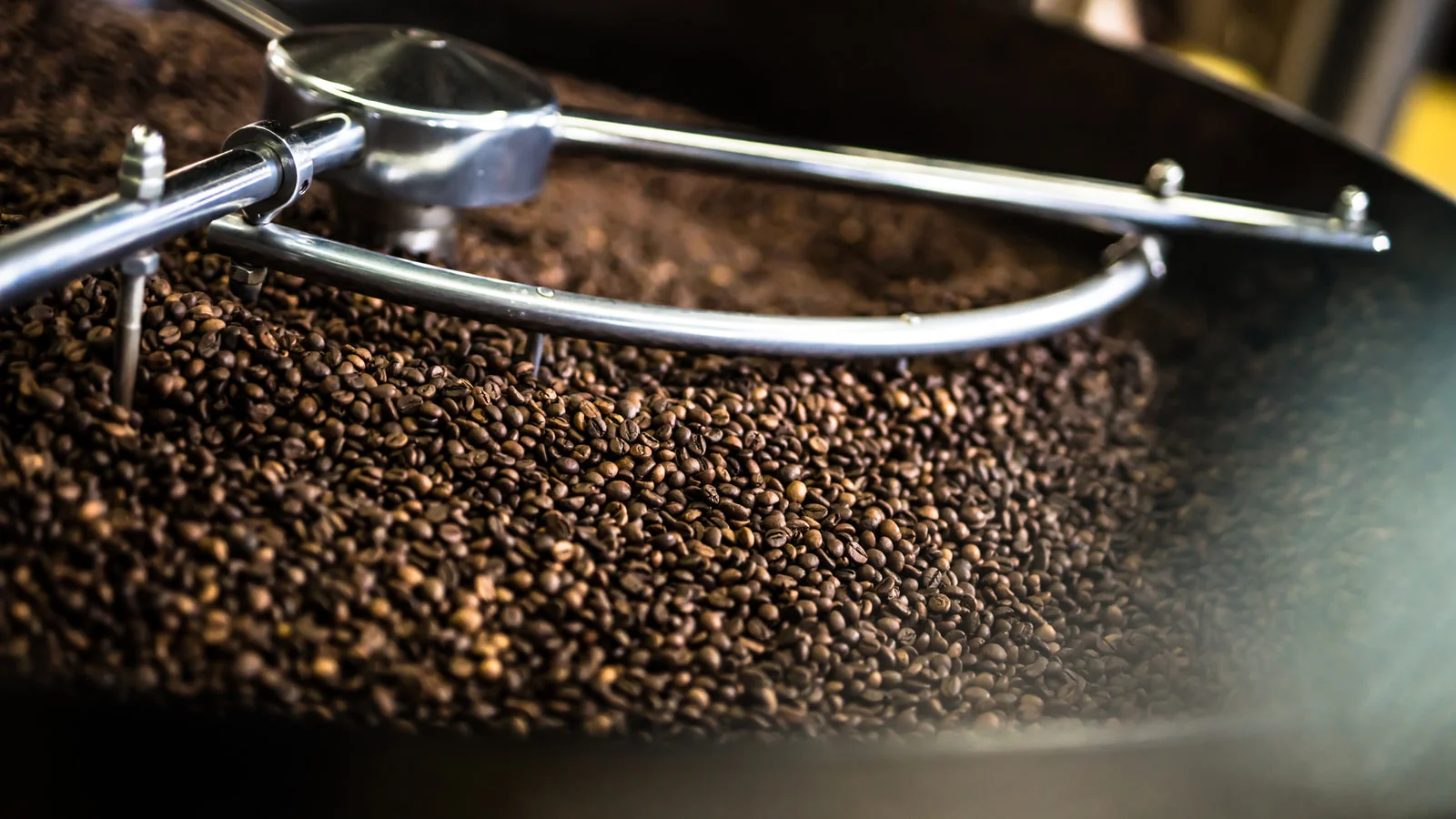
The Business Value of CompuTec Solutions for Food and Beverage
Food and beverage manufacturing demands precision at every stage, from recipe formulation to final delivery. CompuTec solutions give manufacturers the tools to meet those demands consistently.
Traceability and Recall Readiness
- A Complete Batch History: Batch data can be recorded at every stage from raw material receipt to customer delivery, giving manufacturers the information they need to respond quickly when a quality issue arises.
- Faster, More Targeted Recalls: Forward and backward batch tracing can narrow the scope of a recall to precisely the affected batches, reducing the cost and disruption of a wider containment action.
- Immediate Containment: Batch statuses can be updated across multiple batches simultaneously, giving quality teams direct control over affected stock, supporting the rapid response requirements relevant under frameworks such as FSMA, EU General Food Law, and BRCGS.
Allergen and Quality Control
- Systematic Allergen Management: Allergen information defined at item level can flow through the BOM, supporting a structured approach to allergen tracking rather than relying on manual checks.
- Quality Built Into the Production Process: Quality Control Test Protocols can be linked to routing operations, so allergen and hygiene checks are part of the production sequence rather than a separate manual step.
- Reduced Changeover Risk: Production runs can be sequenced to move from non-allergen to allergen products, reducing the risk of cross-contamination between runs.
Recipe Accuracy and Batch Consistency
- Controlled Recipe Management: Multiple BOM revisions can be maintained for the same product, giving manufacturers a structured way to manage alternative formulations and ensure the right version is used for each run.
- Consistent Scaling: Formula-based quantity calculations support consistent ingredient ratios at any batch size, reducing the risk of variation when scaling production up or down.
- Material Efficiency Visibility: Planned yield and actual production output can be compared per manufacturing order, giving managers the data to identify where material efficiency can be improved.
Inventory and Waste Reduction
- Expiry-Driven Picking: FEFO picking rules can be configured to ensure stock closest to expiry is selected first, reducing inventory obsolescence of perishable ingredients.
- Expiry Date Visibility: Shelf life and Batch expiry dates can be tracked and monitored, so stock approaching its expiry date is identified in time to be used or managed appropriately.
- Accurate Variable Weight Recording: Catch weight management supports accurate recording of variable weight items at the point of transaction, giving a more reliable basis for inventory valuation and billing.
Production Costing and Margin Visibility
- A Reliable Cost Basis per Batch: Actual material consumption, resource time, and yield can be recorded per manufacturing order, giving finance and operations teams a more accurate picture of what each batch costs to produce.
- Recipe Cost Comparison: The Costed BOM can be used to compare the cost of alternative formulations, supporting more informed decisions about which revision to use for a given production run.
- Cost Scenario Modeling: Alternative cost scenarios, such as different supplier prices or ingredient substitutions, can be modeled without affecting live production valuations.
Shop Floor Visibility and Control
- Real-Time Production Data: CompuTec PDC captures time, material consumption, and quality data from the shop floor as production happens, giving managers an accurate and current picture.
- Controlled Ingredient Dispensing: The Weigh and Dispense capability supports a structured approach to ingredient dispensing, with batch status checks available to help ensure the correct materials are issued to production.
- Compliant Labeling: CompuTec Labels generates accurate labels pulling live batch, allergen, and expiry data, supporting consistent labeling throughout the operation.
Food and Beverage Sub-Sectors Served by CompuTec Solutions
CompuTec solutions support a wide range of food and beverage production environments, from high-volume processing to specialist production models.
Industry Challenges and How CompuTec Solutions Address Them
Food and beverage production has demanding safety, quality, and traceability requirements. Here is how CompuTec solutions help manufacturers meet them.
Customer Stories
More than 500 businesses run their operations on CompuTec solutions, in industries including manufacturing, logistics, and distribution. They operate from Canada to Kenya, from France to Fiji, and from the United Kingdom to the United States. These are a few of them: what they needed, what they changed, and how their operations run now.
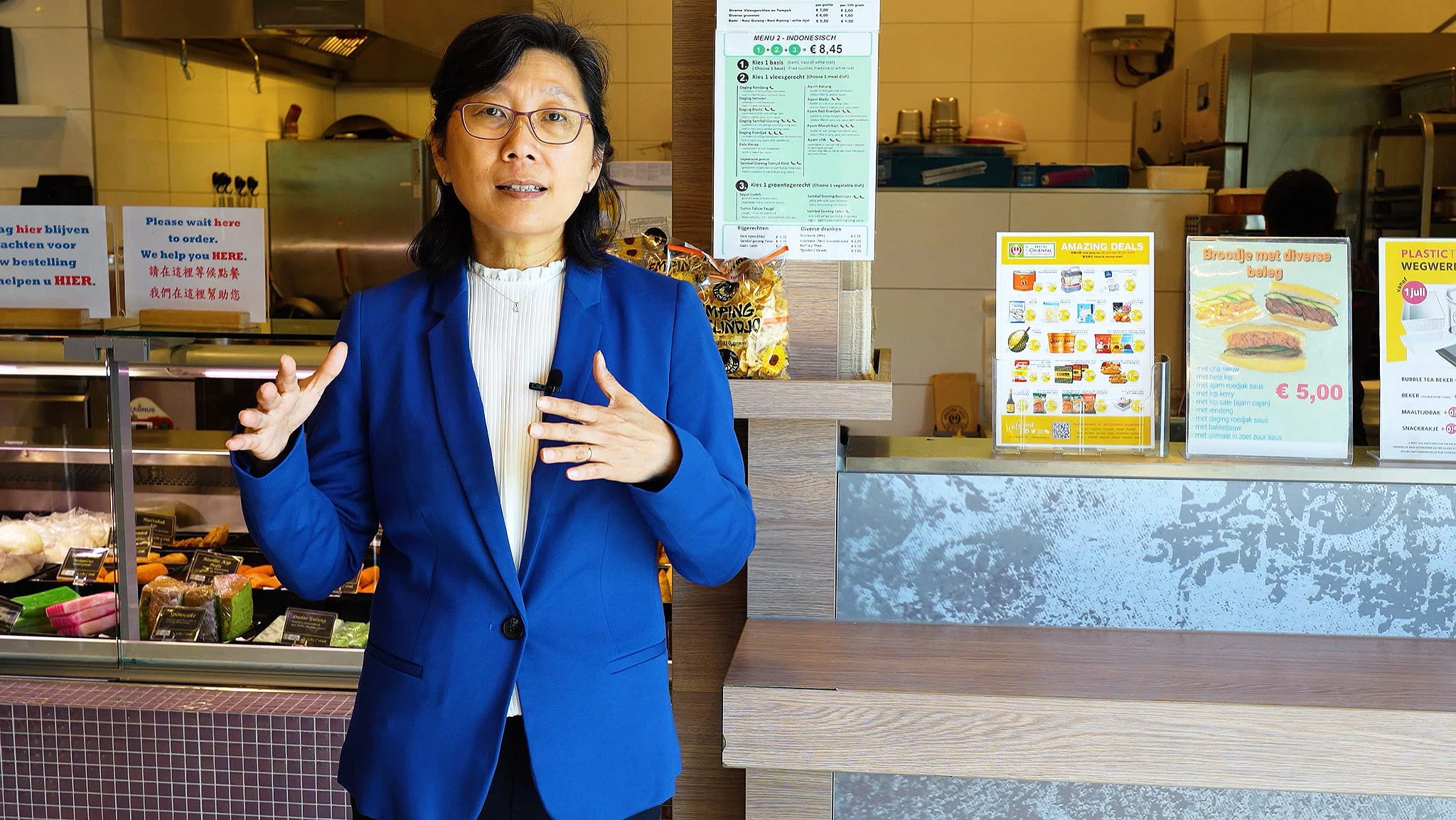
Amazing Oriental
Retail, production, and export, all running on one connected system.
- Food & Beverage
- Netherlands
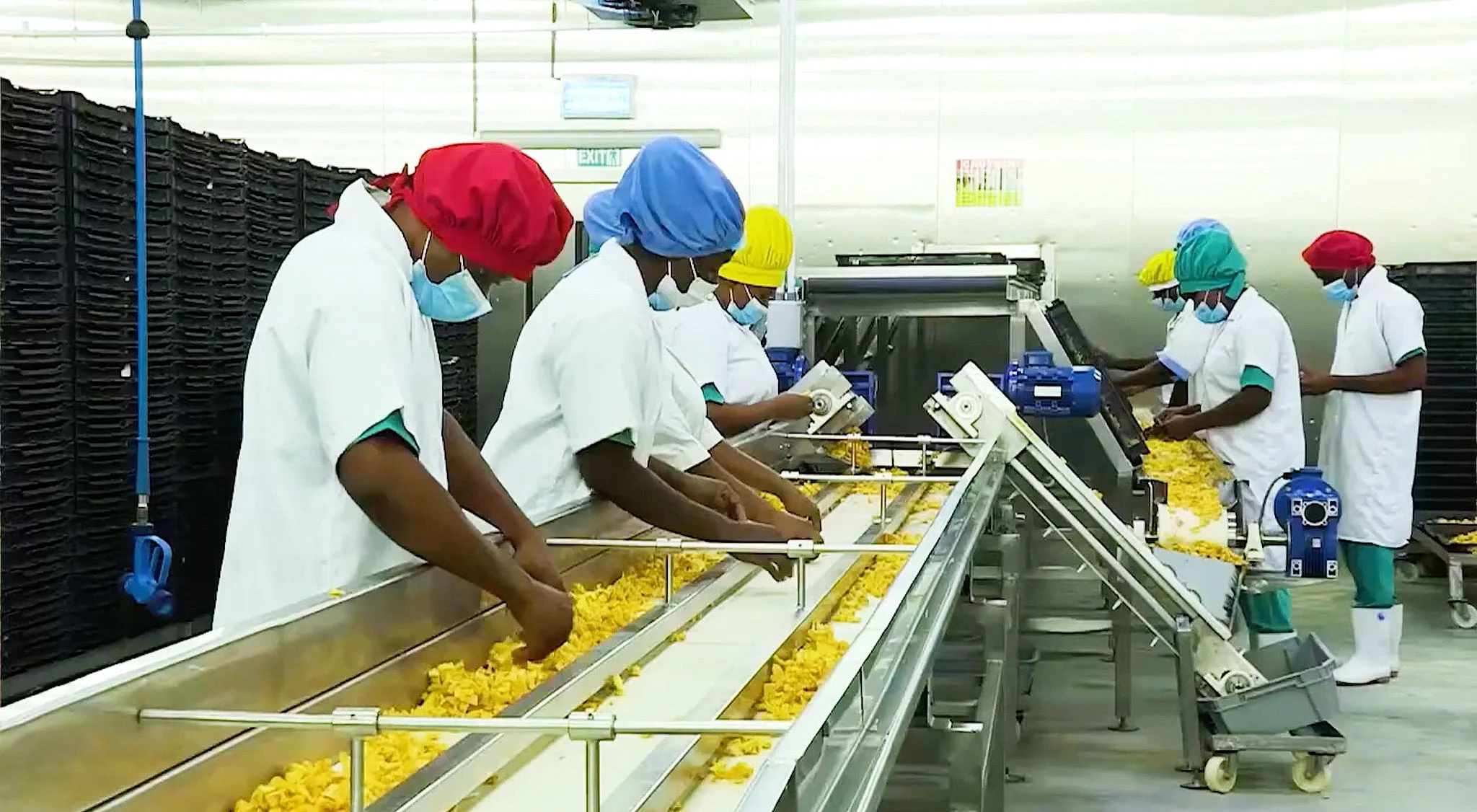
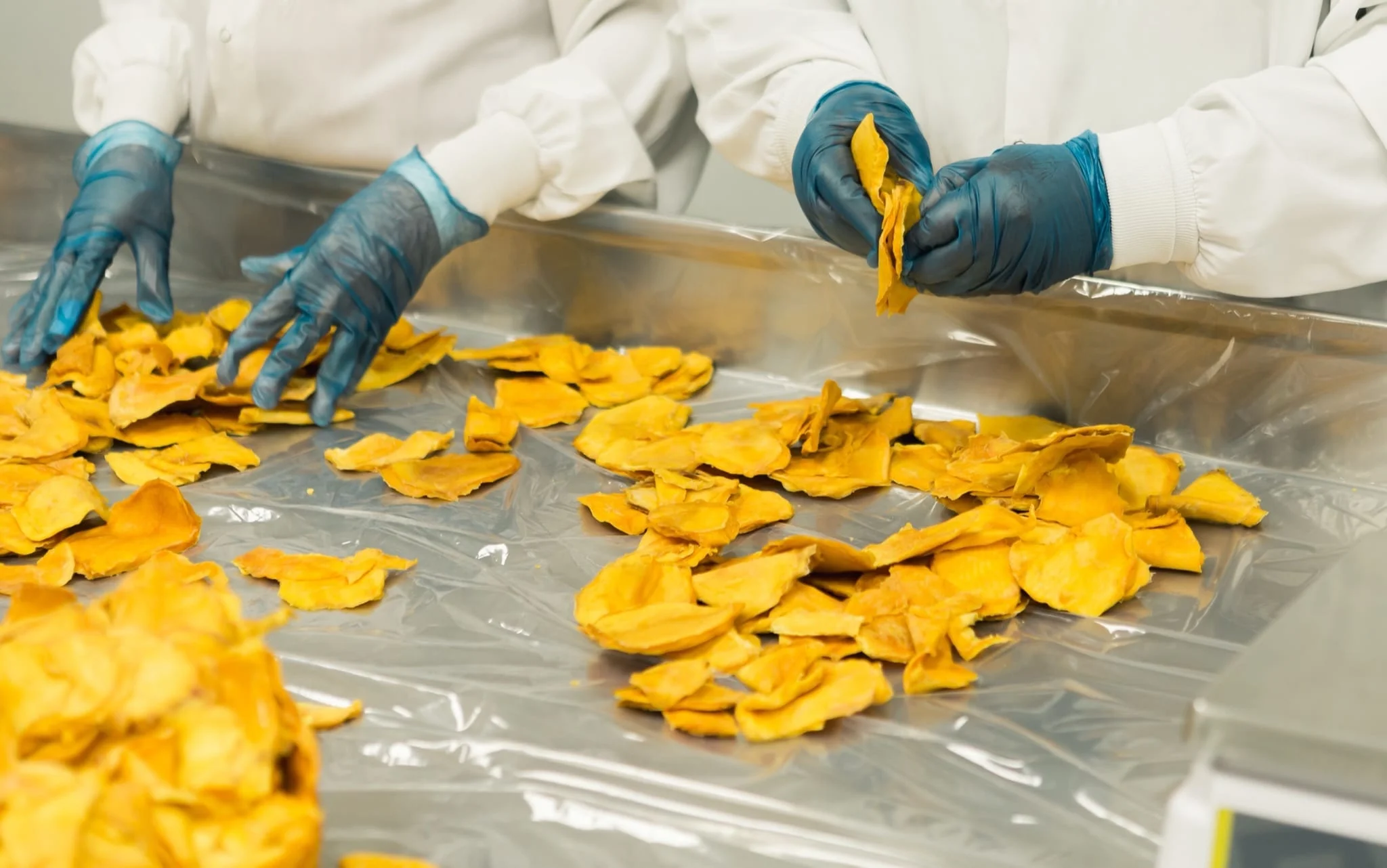
HPW Fresh & Dry
Production data you can actually rely on, with full traceability built in.
- Food & Beverage
- Ghana

Euralis
Full batch traceability for 8.8 million ducks a year, across three countries.
- Food & Beverage
- France
Evolution Foods
Supporting rapid expansion, compliance, and traceability.
- Food & Beverage
- United Kingdom
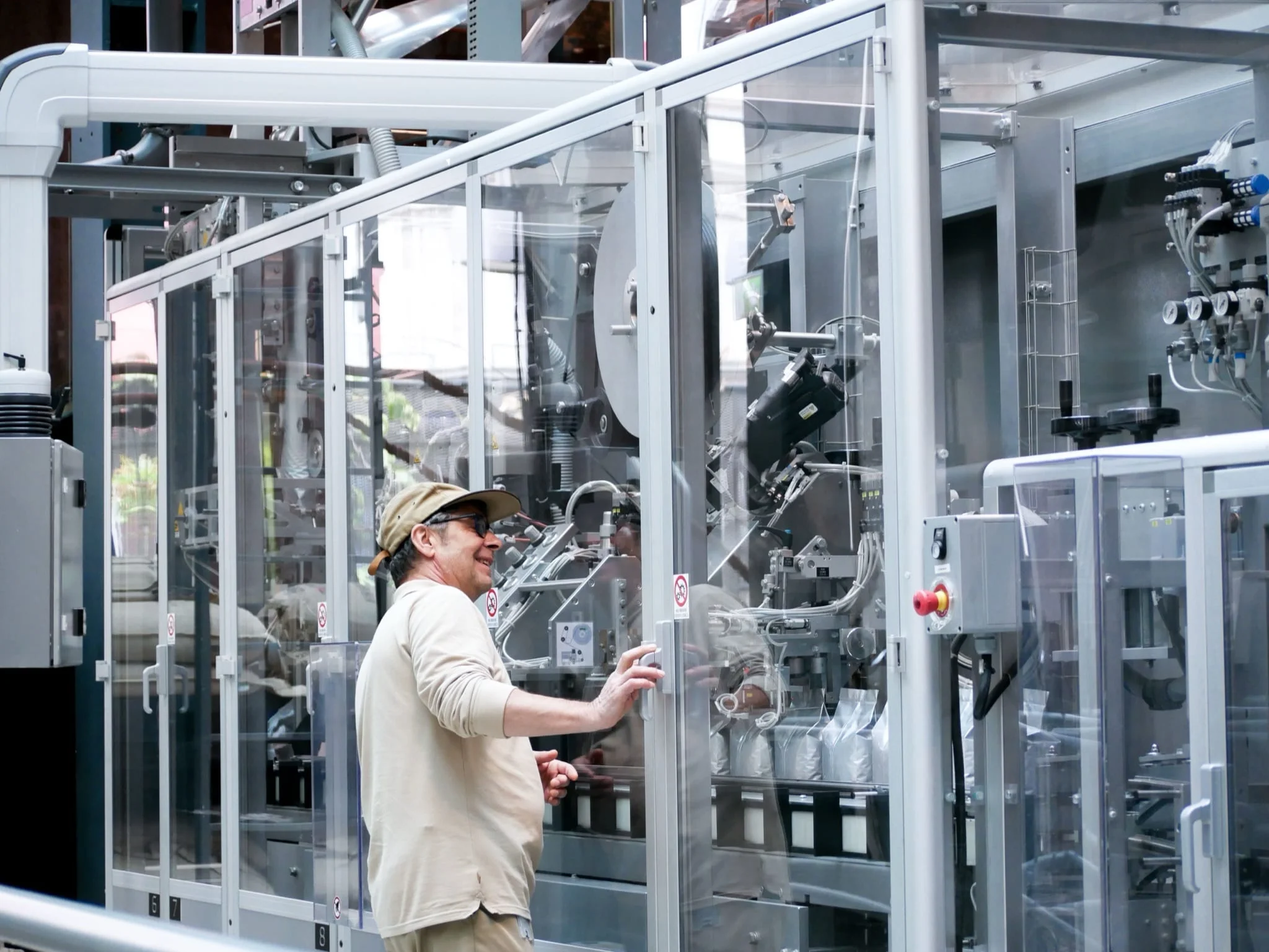
Fobos One
Report generation time cut by 80%, with one connected system end to end.
- Food & Beverage
- Poland

Ready to explore what CompuTec solutions could offer your food and beverage business?
CompuTec solutions support food and beverage manufacturers with recipe management, batch traceability, allergen control, and quality documentation within SAP Business One. Get in touch to see how this could help you manage recalls faster and stay ahead of food safety requirements.
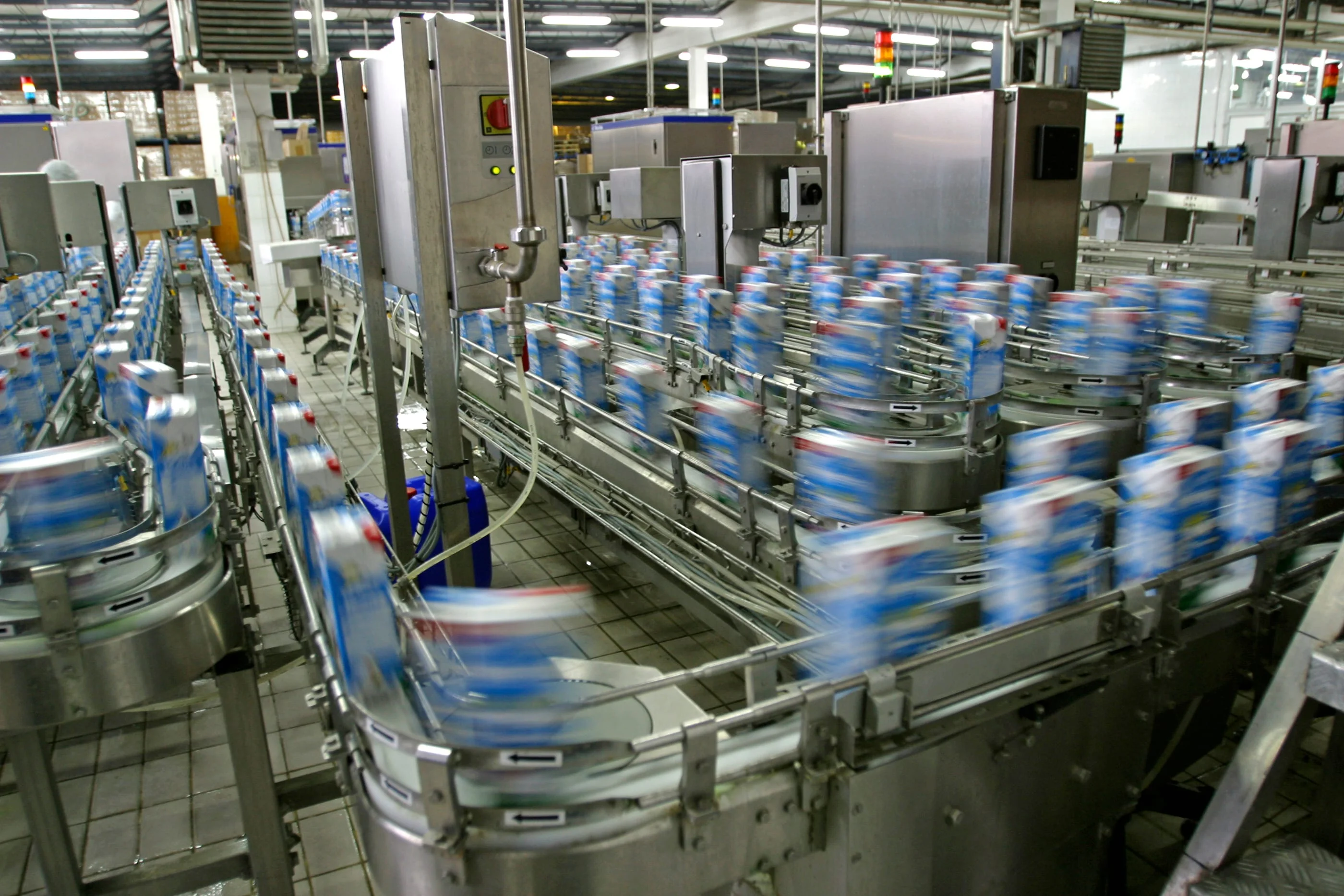
Built for Your Industry
Traceability, quality control and compliance work differently in food production than in aerospace. Our solutions are built for those specifics, industry by industry.
Don't see your industry here?
Many of our customers work in industries beyond the ten listed here. Tell us what you need and we'll tell you if our solutions are a good fit.
Frequently Asked Questions
How does CompuTec ProcessForce support food safety traceability requirements?
CompuTec ProcessForce records every batch transaction from raw material receipt through production to customer delivery within SAP Business One. Forward and backward batch tracing can identify all affected batches and their locations. Batch statuses can be updated simultaneously across multiple batches, preventing affected stock from being used or shipped. This supports the traceability documentation requirements relevant under frameworks such as FSMA Section 204, which requires Critical Tracking Events and Key Data Elements to be recorded and available to regulators within 24 hours, and EU Regulation (EC) No 178/2002. Specific regulatory applicability should be verified with your compliance team.
How does CompuTec ProcessForce handle allergen management?
Allergen information is defined at item level through classifications and properties, flowing through the BOM structure so allergen-containing materials are identifiable at every stage of the production process. Quality Control Test Protocols can be linked to routing operations to enforce allergen checks at defined production stages. CompuTec Labels can generate labels with allergen information drawn directly from the BOM, supporting consistent allergen labeling.
Does CompuTec ProcessForce support BRCGS, IFS, FSSC 22000, and SQF requirements?
These are widely adopted GFSI-recognized food safety and quality audit frameworks that assess areas including traceability, recipe control, allergen management, and quality documentation. BRCGS, for example, requires mock recall completion within 4 hours. CompuTec ProcessForce supports batch traceability, version-controlled BOMs, embedded Quality Control Test Protocols, and electronic production records. These capabilities are relevant to the documentation and process control requirements assessed under these frameworks. Specific applicability to your certification requirements should be verified with your compliance team or certification body.
How does CompuTec ProcessForce support HACCP implementation?
HACCP (Hazard Analysis and Critical Control Points) is a systematic approach to food safety that requires critical control points to be identified, monitored, and documented throughout the production process. Quality Control Test Protocols in CompuTec ProcessForce can be linked to specific routing operations, embedding checks at defined production stages. Results are recorded digitally and linked to the relevant batch and manufacturing order, supporting the documentation requirements of HACCP-based food safety plans. Specific applicability should be verified with your food safety team.
Does CompuTec ProcessForce support FEFO, FIFO, and FMFO inventory rotation?
Yes. Batch selection during picking follows configurable queue rules — First Expiry First Out, First In First Out, or First Manufactured First Out.
How do CompuTec solutions handle catch weight items?
CompuTec WMS includes Catch Weight Management, which captures actual weights at the point of transaction using integrated weighing scales. This supports accurate inventory valuation and billing for items where unit weights vary, such as fresh produce, meat, or dairy products.
Can CompuTec ProcessForce handle multi-level recipes and batch scaling?
Yes. CompuTec ProcessForce supports multi-level BOMs. Component quantities are calculated using configurable formulas that scale automatically to the target batch size, maintaining correct ingredient proportions at any production volume.
How does CompuTec ProcessForce support private label and contract manufacturing operations?
Multiple BOM revisions can be maintained for the same finished item, each representing a different client's specification. CompuTec Labels supports customer-specific label templates applied automatically based on defined rules, so the correct packaging and labeling is used for each client's production run without manual selection.
Does CompuTec ProcessForce integrate with SAP Business One?
CompuTec ProcessForce operates natively within SAP Business One, using the same database. All production, quality, and traceability data is recorded directly in SAP Business One, making it immediately available for financial reporting, purchasing, and sales without synchronization or middleware.
Our Solutions & Services
Fully integrated, AI-ready solutions for SAP Business One, plus the implementation, hosting and support to run them.













Blog
From technical updates to industry trends — stay informed with the latest feature releases, expert business insights, and upcoming global events.
CompuTec Labels
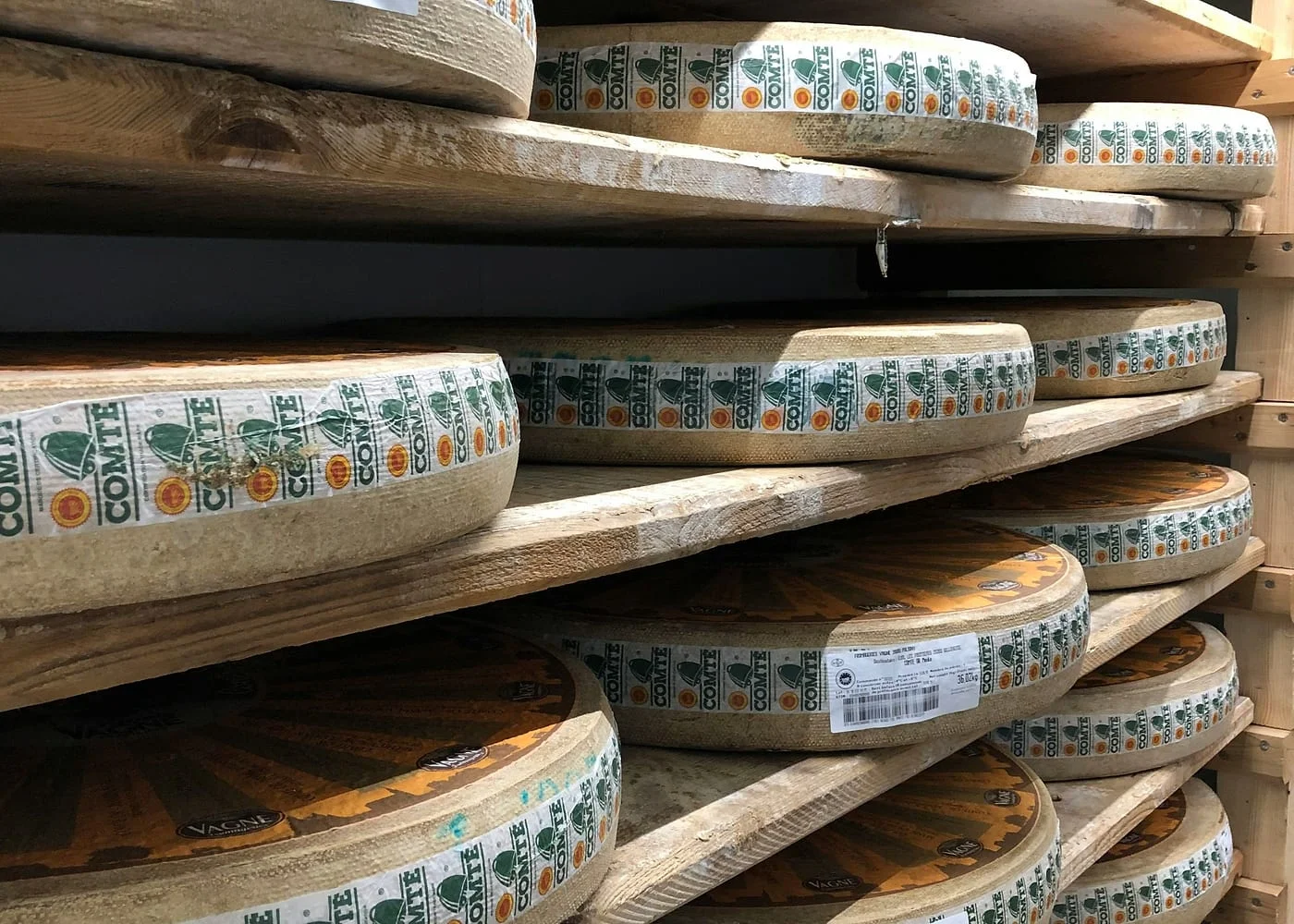
Smarter Labeling: Catch Weight Management in CompuTec Labels
CompuTec Labels adds Catch Weight Management for products like meat, fish, and cheese, and here’s what catch weight is and why exact labels matter.

Events & Webinars
Join Us in Amsterdam This October

SAP Business One
CompuTec WebUp Now Covers the Latest SAP Business One 10.0 Web Client Views

CompuTec WMS
Custom Row Colors and More in CompuTec WMS 3.2608.1

Events & Webinars
The Web Client-First Era: SAP Business One Version 11, AI, and the CompuTec Roadmap