/Solutions/ SAP Solutions
SAP HANA
An in-memory database platform that powers SAP Business One with real-time data processing, embedded analytics, and a foundation for AI-enabled applications.
- In-Memory Processing
- Embedded Analytics
- AI-Ready Platform

SAP HANA Database for SAP Business One
SAP HANA is an in-memory database that processes both transactions and analytics in a single system. When SAP Business One runs on SAP HANA, reporting is faster, data is current, and the platform is ready to support AI and advanced analytics as your needs develop. SAP Business One also supports Microsoft SQL Server as an alternative database option.

What Running SAP Business One on SAP HANA Means in Practice
In-Memory Performance
- Sub-Second Query Response: Transactions and analytical queries run in memory, delivering results in less than a second even in large production environments.
- No Separate Analytical System Needed: Transactional and analytical workloads run in the same database, removing the need for a separate data warehouse.
- Reduced Reporting Latency: Reports and dashboards reflect live data as it changes, rather than a snapshot from a previous batch process.
One Database for All Your Data Types
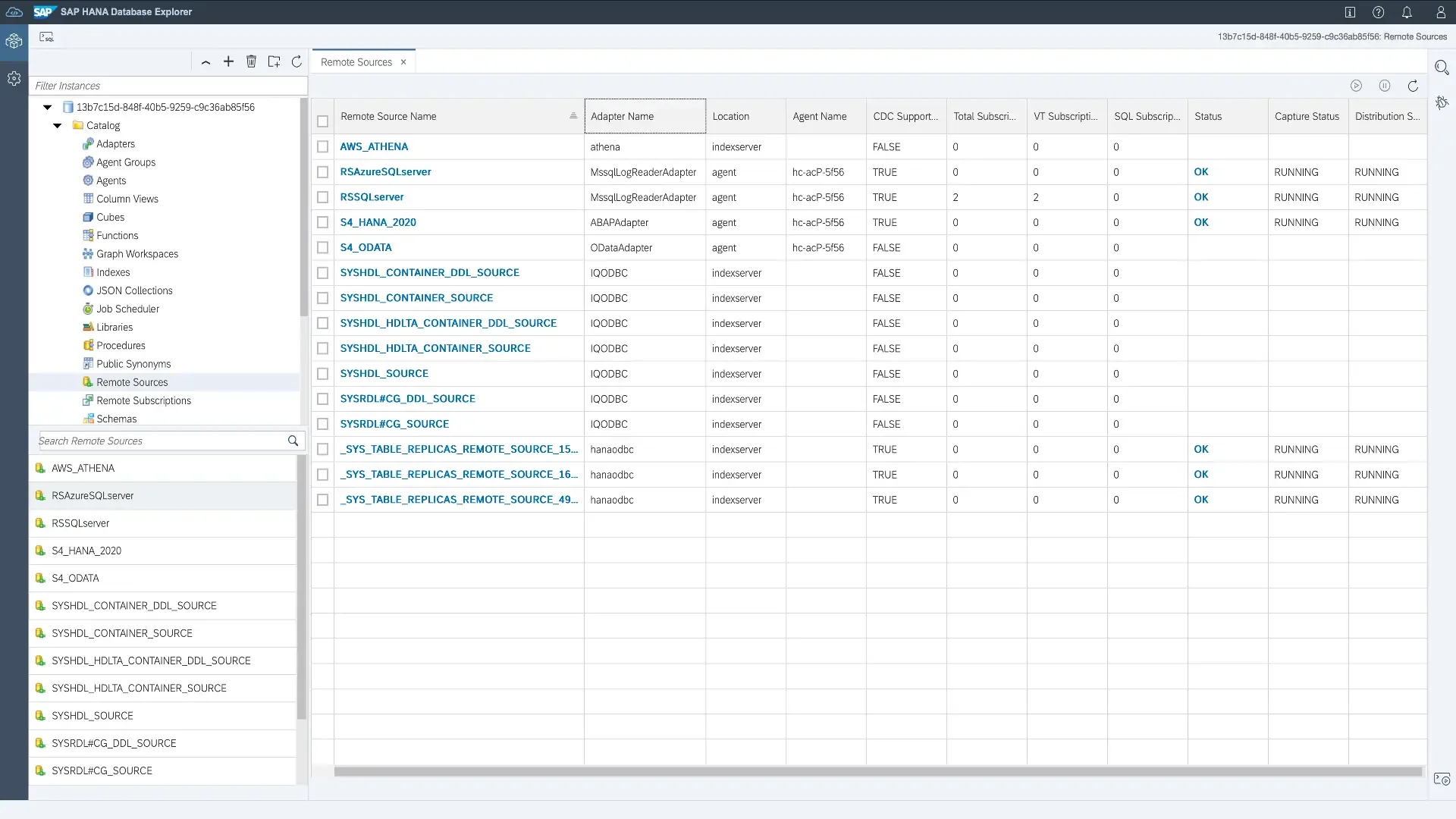
- Single Multi-Model Engine: Relational, graph, vector, spatial, and JSON document data are stored and queried in one system, removing the overhead of managing separate databases.
- No Data Duplication: Different data structures are handled natively within the same platform, eliminating the need to replicate data between systems.
- Advanced Compression: In-memory compression reduces the physical footprint of your data, keeping storage requirements manageable.
AI and Analytics Foundation
- Embedded Analytics: Analytical processing runs directly inside the database, supporting real-time dashboards and reports without moving data to a separate system.
- Built-In Machine Learning: SAP HANA supports vector processing, knowledge graph queries, and machine learning directly within the database engine, providing a foundation for AI-enabled applications.
- SAP Business One Integration: When used as the database for SAP Business One, SAP HANA enables the embedded analytics and high-performance reporting capabilities available within the platform.
Lower Total Cost of Ownership
- Consolidated Architecture: Combining transactional and analytical processing in one system reduces infrastructure and maintenance overhead.
- Smaller Data Footprint: Advanced compression and the elimination of data duplication reduce storage costs over time.
- Reduced Administration: A unified database platform means fewer systems to manage, patch, and maintain.
Scalability and Elastic Infrastructure
- Independent Scaling: Compute and storage scale independently as data volumes and user demand grow.
- Massively Parallel Processing: Large datasets are queried rapidly across a distributed environment, maintaining performance as the system grows.
- Concurrent User Support: The architecture supports growing numbers of concurrent users without degradation in query response times.
Data Security and Compliance
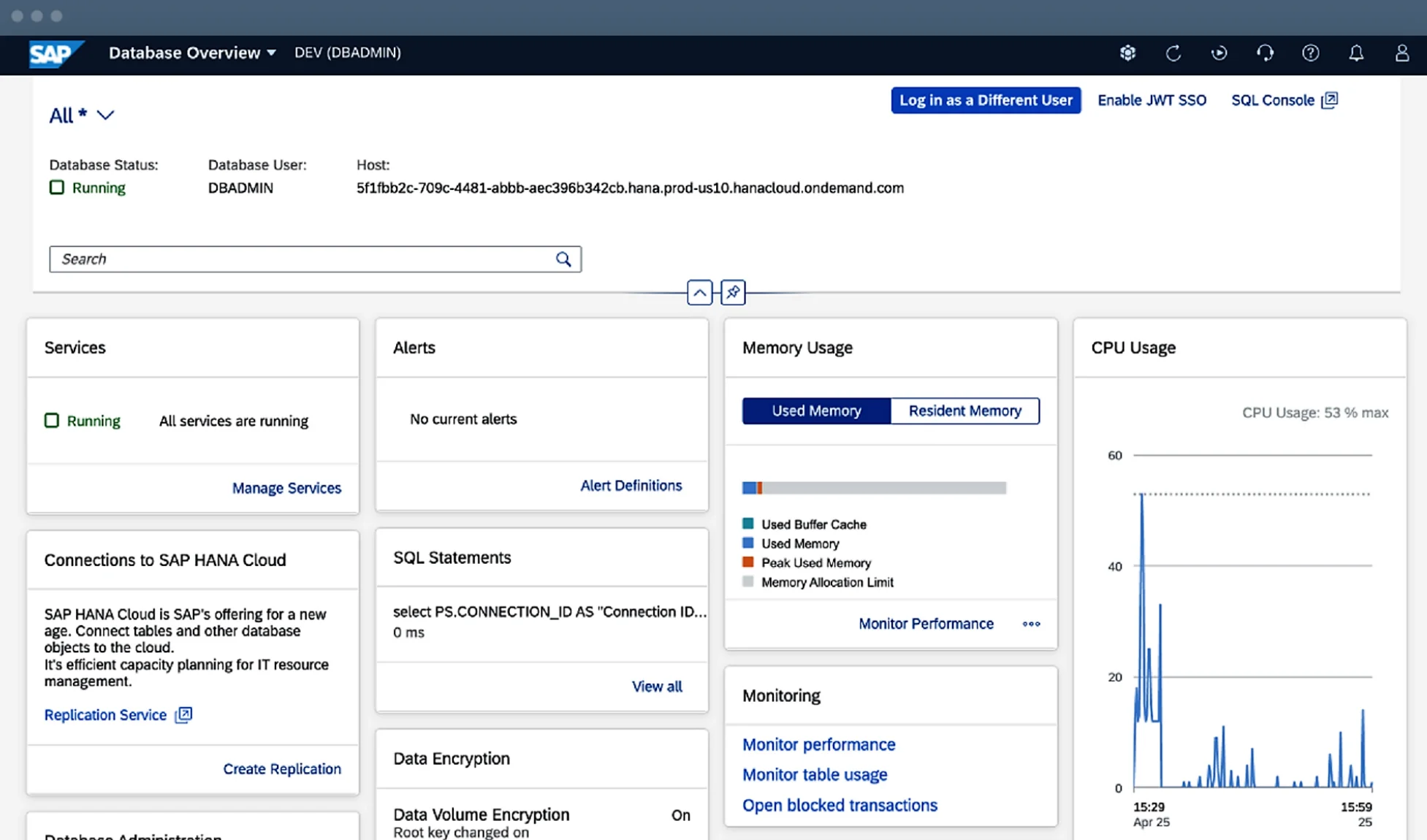
- Comprehensive Data Protection: Enterprise-grade encryption, access control, and auditing protect sensitive business data at rest and in transit.
- Secure Application Layer: Application-level security controls ensure that users access only the data relevant to their role.
- Compliance Readiness: Built-in security features support the requirements of data protection and industry compliance frameworks.
Features
In-Memory Database Architecture
SAP HANA stores data in high-speed memory using a columnar format, running transactional and analytical workloads on a single platform with the architecture to scale as data volumes grow.
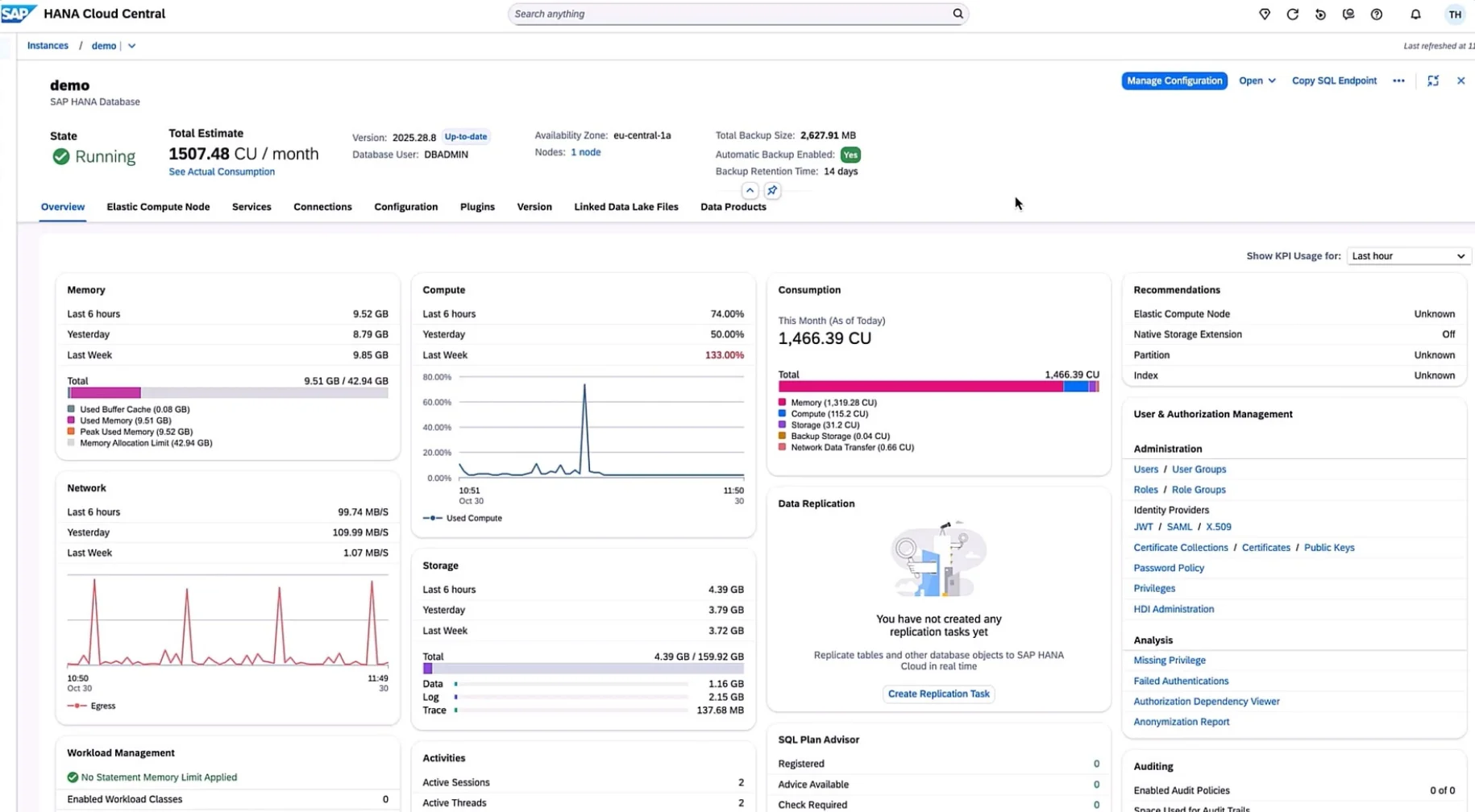
SAP HANA | In-Memory Database
In-Memory Columnar Processing
Data is stored in a columnar format in high-speed memory and processed in parallel, accelerating both analytical queries and transactional workloads simultaneously.
Elastic Scaling
Compute and storage scale independently as data volumes grow, with massively parallel processing distributed across multiple servers in a shared-nothing architecture.
Multi-Tier Data Management
Intelligent data tiering manages data between memory and persistent storage based on access frequency, balancing performance with storage cost as data volumes grow.
- View brochure (PDF, opens in new tab)
View the SAP HANA brochure
- View documentation (opens in new tab)
View SAP HANA documentation

Want to see what SAP HANA could do for your business?
SAP HANA is the in-memory database platform behind SAP Business One, delivering real-time data processing, embedded analytics, and a foundation for AI-enabled applications. Get in touch to discuss your performance and reporting requirements.
Frequently Asked Questions
What is SAP HANA, and how is it different from traditional databases?
SAP HANA is a multi-model in-memory database that stores and processes data in the server's main memory rather than on traditional hard disks. This means transactional and analytical workloads can run simultaneously on live data, reducing the latency associated with conventional disk-based database architectures.
What does "multi-model engine" mean in practice?
It means SAP HANA can handle different types of data beyond standard relational tables, including document store, geospatial, knowledge graph, vector, and time-series data, within a single database. This removes the need to maintain separate specialized databases for different data types.
Does SAP HANA only benefit transactional systems?
No. SAP HANA is designed to run complex analytical queries directly on live transactional data, without requiring a separate data warehouse. This means reporting and analysis reflect the current state of the business rather than a delayed snapshot.
What is the difference between running SAP Business One on SAP HANA versus Microsoft SQL Server?
Both are fully supported database options for SAP Business One. SAP HANA processes data in memory, which generally means faster reporting and the ability to run transactions and analytics in the same system simultaneously. Microsoft SQL Server is a well-established relational database that works well for businesses with existing Microsoft infrastructure or where the advanced analytical capabilities of SAP HANA are not a priority. The right choice depends on your business requirements, existing infrastructure, and budget — our team can help you think through the options.
Do I need SAP HANA to use SAP Business One?
No. SAP Business One supports both SAP HANA and Microsoft SQL Server as database platforms. SAP HANA is worth considering if real-time embedded analytics, faster reporting, or AI-enabled applications are important to your business. For businesses with more straightforward requirements, Microsoft SQL Server is a practical and cost-effective alternative.
What security features are built into SAP HANA?
SAP HANA includes built-in security features covering data encryption, auditing, and user authentication, providing protection for data at rest and in transit. These features are part of the core architecture rather than optional extras.
How does SAP HANA support AI and modern application development?
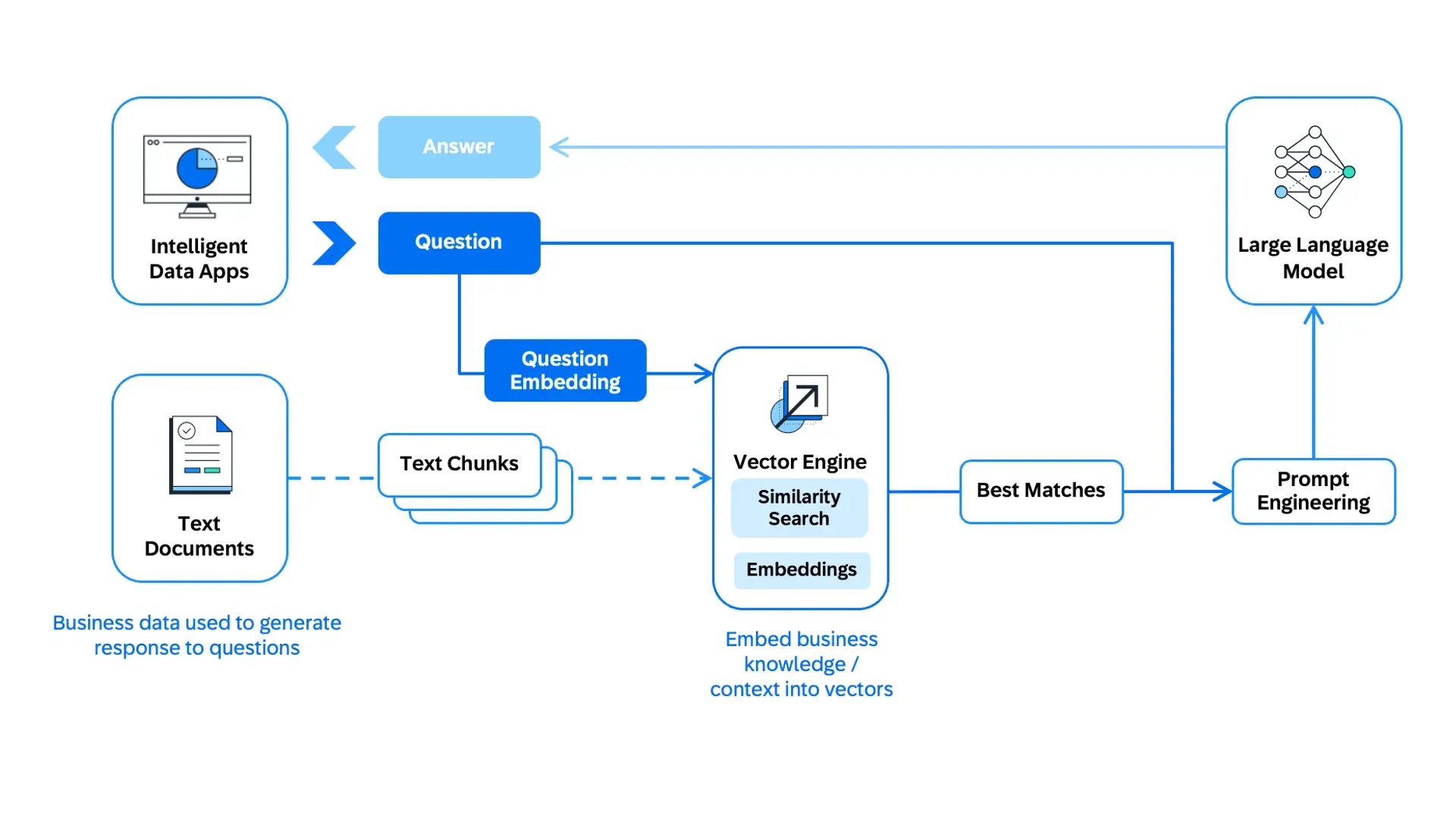
SAP HANA provides a foundation for AI-enabled applications through native support for vector processing, knowledge graph queries, and machine learning directly within the database engine. Developers can build applications that connect securely to live business data and incorporate generative AI capabilities without moving data to a separate system.
Is SAP HANA available on-premise and in the cloud?
Yes. SAP HANA is available both on-premise and in the cloud, giving businesses flexibility over where their data is hosted and how the infrastructure is managed. Both deployment options are fully supported.
Our Solutions & Services
Fully integrated, AI-ready solutions for SAP Business One, plus the implementation, hosting and support to run them.













Blog
From technical updates to industry trends — stay informed with the latest feature releases, expert business insights, and upcoming global events.

Events & Webinars
Join Us in Amsterdam This October
CompuTec brings news on AI and the SAP Business One Web Client to two back-to-back partner events in Amsterdam, October 19–22, 2026.

SAP Business One
CompuTec WebUp Now Covers the Latest SAP Business One 10.0 Web Client Views

CompuTec WMS
Custom Row Colors and More in CompuTec WMS 3.2608.1

Events & Webinars
The Web Client-First Era: SAP Business One Version 11, AI, and the CompuTec Roadmap

CompuTec ProcessForce
Focusing on the Next Generation